
Preventive Dentistry
Two Appointments, A Lifetime of Healthy Smiles
Our practice’s main focus since day one has always been on prevention. Why? Because it’s much better for your oral health if we help you avoid dental issues rather than simply fix them as they pop up. Plus, this approach will also help you save time, money, and unnecessary discomfort. With our thorough checkups, cleanings, and more, we’ll make sure you and your entire family have a lifetime of healthy smiles.
Checkups & Cleanings
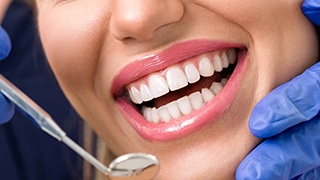 Everything at Ridgepointe Dental starts with the standard checkup and cleaning. At these preventive appointments, one of our excellent hygienists will use ultrasonic instruments to break up and clear away plaque from your teeth and gums, and then your dentist will perform an oral exam and oral cancer screening, so he can identify problems early and treat them quickly. Together we can make sure you always have a clean, strong, and healthy smile.
Dental Sealants
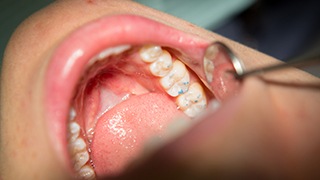 The chewing surfaces of the back teeth are one of the most common areas for cavities to develop, especially for children. To give these teeth extra protection right where they really need it, we can apply a thin, layer of plastic resin to create a dental sealant. This will prevent plaque and food particles from accumulating on the enamel, which will effectively prevent tooth decay.
Nightguards
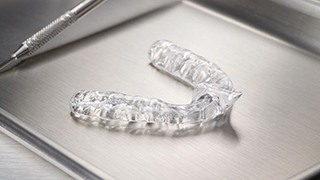 Do you ever wake up in the morning with a stiff or sore jaw? If so, you could be suffering from nighttime teeth grinding or clenching, also called bruxism. Over time, this can strain your sensitive jaw muscles and even cause your teeth to break and fracture! To help you sleep easy, we can provide you with a custom-made mouthpiece called a nightguard. It will fit comfortably over your teeth and establish a barrier between them to prevent any damage from unconscious grinding or clenching.
Oral Cancer Screenings
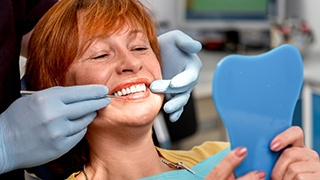 Nearly 50,000 people will be diagnosed with oral cancer this year alone, and the best way to ensure successful treatment is with early detection, which is why the American Cancer Society recommends that everyone should have an oral cancer screening at least once a year. We perform one during your regular checkup, and if needed we will use the VELScope light, which will allow us to see potentially cancerous tissues that normally would be hidden to the naked eye.
Signs and Symptoms of Oral Cancer
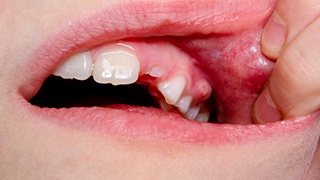
Oral cancer symptoms can look like other, more benign issues. For example:
- Lumps and bumps
- Tongue, cheek, or lip sores
- Pain while chewing or swallowing
- Numbness around the mouth or lips
- Red or white patches of skin
- Bite alignment changes
- Oral bleeding
The difference is often that signs of oral cancer will be persistent or unexplainable. Bleeding might seem to occur for no reason, cold sores won’t go away after two weeks like they typically do, and bite changes may be sudden, for instance.
What Does a Dentist Look for During an Oral Cancer Screening?

A dentist performing an oral cancer screening will look for the symptoms mentioned above. They may touch abnormal areas to test for tenderness, and might also gently palpate your neck to check for lumps in your throat. To make sure they have a clear understanding of the situation, they’ll also likely ask you questions about your symptoms, such as, “When did you first notice this sore?” or “How long has your tongue felt numb?” Try to answer them as best as you can remember. Every bit of information helps!
What Can I Expect During My Screening?
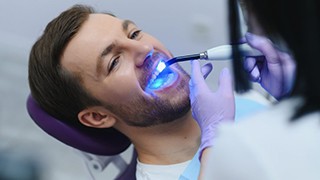
It’s important to note that while your dentist can screen for oral cancer during a dental checkup, that’s not the same as providing a diagnosis. Based on his findings, Dr. Amos will either conclude that the symptom is relatively benign, should be re-evaluated at a follow-up appointment, or is worth getting an expert opinion. He may also use our VELscope light to examine suspicious areas more closely. This is a very non-invasive process; Dr. Amos will simply point the light at the patch of skin he wants to inspect. The light will appear dark when shone on an abnormality, and bright green on healthy tissue.
Rest assured, we’ll help you make any necessary next step arrangements, including giving you a referral to a specialist.
Fluoride Treatment
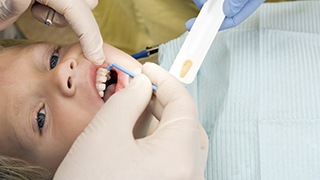 Although enamel is the hardest substance made by the human body, that doesn’t mean it’s completely invincible. Genetic makeup, dietary decisions, and dental hygiene habits and routines can all potentially strip the outer layer of your teeth of its minerals, increasing the risk of developing cavities, sustaining injuries, and other issues.
Fortunately, Dr. Amos can help strengthen your enamel with topical fluoride treatments. Continue reading to learn more about this standard preventive service and who it might benefit!
What is Fluoride?
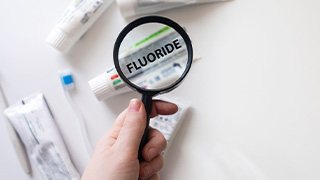
Fluoride is a naturally occurring mineral that can be found in various sources, including in rocks, dirt, water, and in certain biological materials, like bones and teeth. It functions to reverse the early stages of tooth decay or prevent it from progressing by absorbing additional minerals from your saliva to restore strength to your enamel.
This helps improve your resistance to various dental health concerns, such as tooth decay, disease, and other forms of damage. It also slows the process of demineralization to preserve the structure of your teeth and prevent cavities from spreading. As a result, safe amounts are often included in public sources of drinking water or dental products, such as toothpaste, to help protect your smile.
How Does Fluoride Treatment Work?
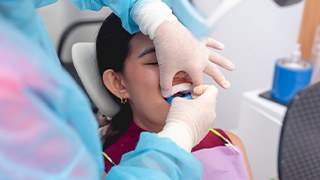
For this procedure, our team will place the fluoride, which usually comes as a flavored gel, foam, or varnish, directly to your teeth or in an applicator tray that covers your arches. It usually only takes a few minutes to apply, but it’s best to avoid eating or drinking anything for 30 to 60 minutes to give the active ingredients time to fully absorb into your enamel for optimal outcomes.
This can be offered as a standalone solution but is more commonly included after a routine examination and cleaning before sending you home after your visit.
Who Benefits from Fluoride Treatment?
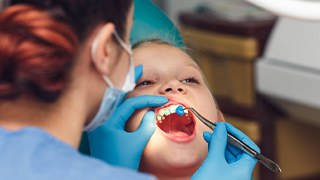
This service can be helpful for children and adults, though is frequently recommended to help strengthen kids’ still developing smiles. Dr. Amos might also suggest this option for those with special needs that can make routine brushing and flossing particularly challenging, have a medical condition, such as diabetes, that increases the risk of certain dental problems, or have developed sensitivity due to thinning enamel.
Toothpaste/Mouthwashes
 Most dental care actually occurs in the home with routine brushing and flossing, so the products you use are extremely important to your long-term dental health. Should you need a recommendation about which products would be best for you, you can always ask us! We can discuss with you which of the most popular over the counter brands that would be best for you and even offer specialty items like Prevident 5000, which has prescription strength fluoride.
At Ridgepointe Dental, taking care of your smile starts with prevention, and all it takes is two easy appointments each year to make sure you and your family will be smiling for decades to come. If you have any questions about our preventive services, or if you’d like to schedule an appointment, please contact us today.